The chenille letter hat bar, planned properly.
Hats are the flagship surface for chenille — the crown is basically a tiny billboard begging for a varsity letter. But a hat bar has three planning traps that tote bars never face. Here is how we dodge all three.
Trap one: the wrong caps
Structured crowns press clean; unstructured crowns fight you. Our default is the Richardson 112 trucker — the foam front panel takes a patch beautifully and the colorway range covers almost any palette. Flexfit styles and structured dad hats also behave. Floppy five-panels and slick performance caps are where hat bars go to die; if your brand kit demands one, tell us early so we can test-press samples.
Trap two: placement chaos
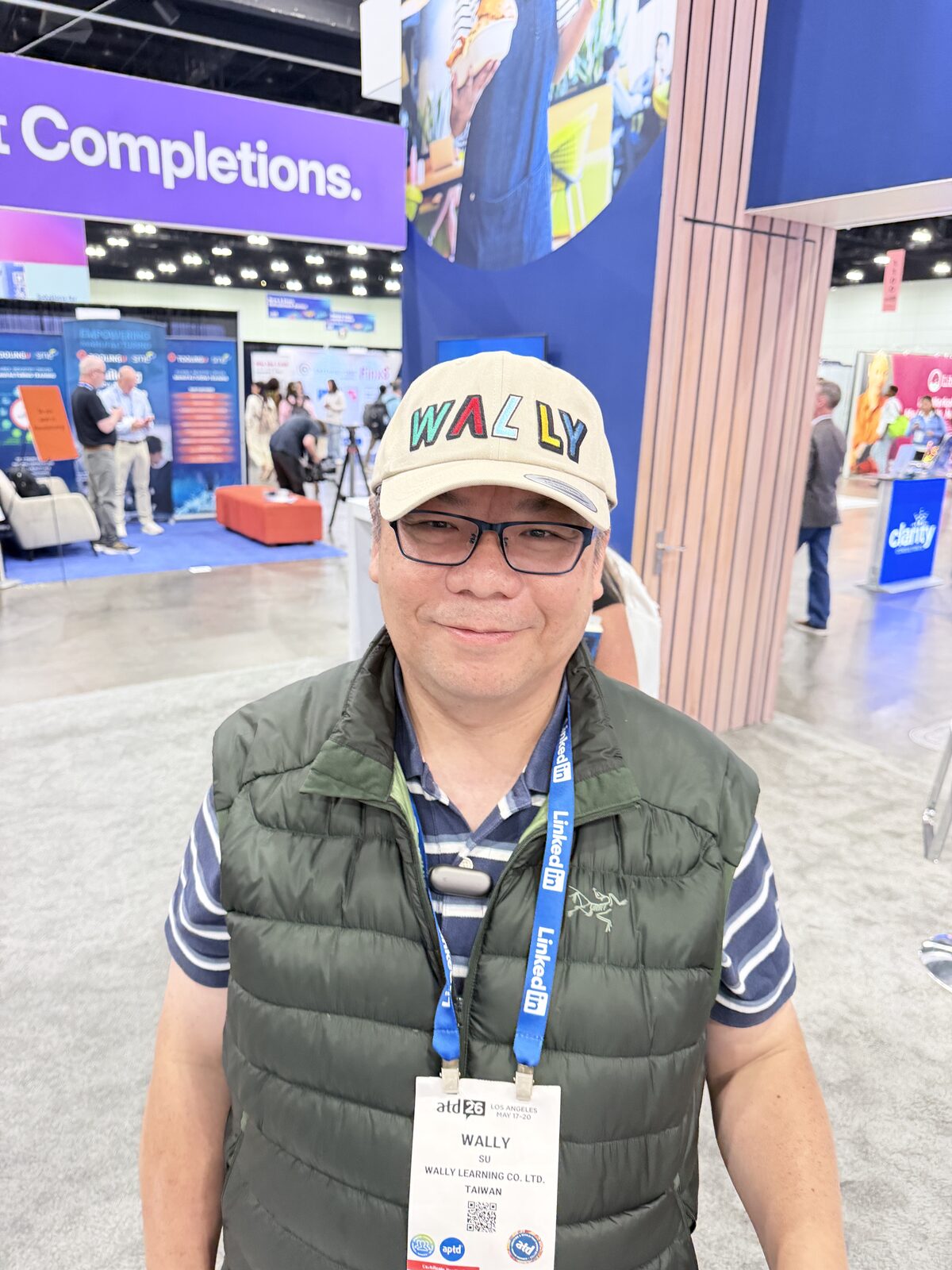
Guests will try to press letters onto seams, over buttons, and wrapped around the curve. The house rules that keep pieces looking intentional: front panel only for two-inch letters, one to three characters centered, shapes offset to the wearer’s right. Full names work on larger crowns — see the photo above — but treat them as a VIP option, because a seven-letter name eats seven characters of inventory and two press cycles.
Trap three: letter inventory math
This is the one that bites first-time planners. English initials are not evenly distributed: J, M, A, S, and C dominate American first names, and X and Q gather dust. For an initials-only bar, we stock roughly triple depth on the top ten letters. For full-name bars, vowels are the bottleneck — a hundred guests will burn through E and A at four times the rate of anything else. Send us your RSVP list and we weight the bins to your actual crowd; it takes ten minutes and prevents the 8pm “we’re out of M” moment.
The throughput numbers
A cap press cycle runs about a minute including alignment. With lay-out time overlapped — the next guest arranges while the current cap presses — one press sustains 40–50 caps per hour. Two hundred guests over three hours needs two presses, full stop. Line pace details and staffing rates are on the pricing page, and the full station description is under services.
What the station needs from your venue
Less than most venues assume. The full hat bar — letter board, staging table, and press station — lives comfortably inside a ten-by-ten footprint, and a single standard 120V 20A wall circuit runs a cap press with headroom to spare. No water, no gas, no generator humming outside the window. Indoors, any hard floor works; outdoors, we bring a canopy, because direct afternoon sun keeps the heat-applied backing from cooling and curing cleanly between cycles, and a patch that never fully sets is a patch that peels.
The detail venues forget to plan is line geometry. Put the letter board where the queue can bend along a wall instead of cutting across a walkway — the board is where guests linger, not the press. Give the deciding crowd somewhere to stand and the pressing side stays calm all night. If your coordinator wants a diagram, the station overview walks through the standard layout piece by piece.
A note on the backing
Every letter on our board carries a heat-activated adhesive backing engineered for a commercial press — not the iron-on film on craft-store patches. Under 300+ degrees and real pressure, the adhesive wicks into the cap fabric and locks the felt base down at the edges, which is exactly where cheap patches fail first. It is the difference between a crown that survives two seasons of wear and one that lifts at the corner by Labor Day.
A bid day, by the numbers
Here is the math from the kind of event this guide usually serves. A 150-guest bid day with a two-hour window: two cap presses, each sustaining 40–45 caps per hour, gives you 160–180 finished crowns — enough headroom that one slow decision at the board never backs up the line. Stock 165 caps across two colorways, because ordering ten percent over headcount is the cheapest insurance in event planning; someone always wants a second run after seeing her roommate’s. Greek letters actually tilt the math in your favor: three characters, one arrangement, pressed in a single cycle, zero decision time.
On budget, a staffed two-press evening starts around $5,000 locally with caps billed per head, and the number moves with hours and letter depth more than anything else. The honest line-item breakdown lives in our cost answer, including where couples and chapters most often overspend (spoiler: exotic cap colorways nobody picks).
When to book, and what we need from you
Stock letters and shapes — the varsity alphabet, numbers, hearts, bolts, cherries — are ready whenever we are, so two to three weeks of lead time genuinely covers a standard hat bar. Custom chenille is its own three-to-four-week manufacturing run, so if you want a mascot or a script wordmark on the board, that conversation starts first. Once the date holds, we need exactly four things: headcount, your two cap colorways, the event window, and — if you want weighted letter bins — the RSVP list. Everything else, from the board to the last test press, is ours to carry.